
A Doctor's Case for Yoga in Midlife: Strength, Balance and Calm
Oct 27, 2026
Dr. Baxter Bell was a family physician in Cincinnati, taking call every third night and caring for about 2,000 patients, when he took his first yoga class at 32. He was already biking, rock climbing and running, so the physical part was not what caught him. “It was really the meditative and the Shavasana aspects of yoga that I hadn’t experienced.”
A few years later he left his practice, moved to California, and trained as a yoga teacher, yoga therapist and medical acupuncturist. He co-wrote Yoga for Healthy Aging, and I have taken his classes and been on his retreat in Yelapa. In this week's Sexy in Your 60s podcast episode, I talk with Baxter about what yoga can and cannot do for you as you age, and why that honesty matters.
What he grieved when he left medicine
I asked him what he had to let go of. He named two things. The first was “my ego attachment to being a practicing physician.” The second was a community. When he announced he was leaving, his patients told him what he had meant to them. “That was really sweet, but it also made me grieve a little bit that I was losing this community.”
If you have ever left a role you were good at, you probably know both of those losses. The title goes first. The people take longer.
Healthy aging, at any age
The Yoga for Healthy Aging blog started with conversations after a Friday class in Berkeley, grew into a week-long training, and became a book when an editor from Shambhala who had sat quietly through the whole week handed over his business card.
People still ask Baxter whether it is chair yoga. His answer: “It’s not yoga for old people. It’s yoga for healthy aging, and there’s a difference. And the difference is you can enter this stream at any age that you want to.”
Yoga will not stop you from aging
Baxter is plain about this. “We’re all a little older every day when we get out of bed.” What yoga can do is help you stay well for more of the years you have. This is healthspan, the number of years in your life that you are healthy, and the goal is to bring it as close to your lifespan as you can.
He is just as plain about the brain. Imaging studies suggest that people who practice yoga keep more volume in the prefrontal cortex and the hippocampus as they age, the areas behind decision-making and memory. But, he said, “this is not a vaccine against bad stuff happening.” One of his own teachers developed dementia in his seventies. People in the early stages of cognitive decline can still learn new things, which is one reason group classes keep mattering after a diagnosis.
That honesty is a relief. A diagnosis does not mean you did yoga wrong, and it can still keep helping you even throughout a chronic and even fatal condition.
Strength first, then agility
Baxter teaches four essential physical skills: strength, flexibility, balance and agility. I asked which one women in their sixties neglect most. “If you were gonna start with one of those four, I would start with strength.” Next is agility, which he calls balance in motion. A dance class counts.
Yoga has plenty of pushing, like downward dog and plank, and very little pulling, so he has built pulling actions into his classes. If the idea of strength training at a gym feels daunting, start with my conversation with Rossie Ballard last week about why muscle is the organ of longevity, and know that your yoga practice can carry some of that work too.
Balance, he explained, depends on your eyes, your inner ear, the receptors in your feet and the sensors in your joints and muscles. Even standing with your feet apart and the legs doing different things challenges it. “If you don’t do anything, your balance is gonna worsen.” When people become afraid of falling, they pull back from the activities and community that keep them steady, which is why maintaining independence is one of his three pillars of healthy aging.
Beyond the poses
Every class Baxter teaches opens with a short talk on a theme and a centering meditation, weaves breath practice through the poses, and ends with at least five minutes of Shavasana. Those quieter practices calm the nervous system, can help with persistent pain, and, as he put it, “can be done until the last day you’re taking a breath on this earth.”
His third pillar is equanimity, “the ability to kind of reground yourself and be calm and centered in the face of any adversity or even any excitement.” As we age, he said, “we’re gonna have personal small and larger losses, losses of abilities, losses of connections, losses of title or work.” Equanimity is how you prepare for them. It is the same steadiness I found when I wrote about what watercolor, yoga, and aging have in common.
His simplest version is a question: “Am I grounded right now or am I ungrounded? And if I’m ungrounded right now, what tools do I have available to me that can help get me centered again?” Here is the part that is about you. Ask it once today, and notice what you reach for.
“If you are inflexible, yoga is perfect for you”
When people tell Baxter they are too stiff for yoga, he tells them that is exactly why they need it, and that he could not reach past his knees when he started. If you want to begin at home, he suggests two short practices from his YouTube channel, Baxter Bell Yoga: Reclining Vinyasa, in its back care version if you need it, and what he calls the fig leaf forward fold, which lets you bend your knees and hips so the forward bend is kinder to your back. Both connect each movement to your breath.
If you want a class, look for an Introduction to Yoga series of four to six sessions. And when you walk into a new studio, tell the teacher you are new. “Will you please keep that in mind as I’m taking your class today?”
Why a retreat reaches what a weekly class can’t
Baxter and his wife, Melina Meza, lead trips and retreats several times a year. A retreat, he said, is a container. Someone else handles the meals, you can practice twice a day, and a community forms by the first dinner. Around day three, something often shifts. People “realize they have not been allowing themselves to fully grieve,” or that their life is ready for a change. His own turn toward teaching started on a retreat in 1999, walking on a beach with his teacher.
Melina brings Ayurveda in a way people finally understand, and photography as a way of seeing. Baxter brings his fiddle to Shavasana. If you have wondered what happens when women gather on retreat, this part of our conversation will sound familiar.
He also had advice for coming home, which you will appreciate if you read my post about always needing a vacation from my vacation. He leaves the first two days after a big trip lightly scheduled, and he keeps asking himself one question: “Have I built in the buffer?”
A correction: in our conversation, Baxter and I say Yelapa looks out on the Sea of Cortez. It actually sits on Banderas Bay, on Mexico’s Pacific coast, just south of Puerto Vallarta.
What sexy means to Baxter right now
“It means feeling rested in the morning.” It means treating his body to what it needs, whether that is a good yoga practice or the tennis he plays three or four times a week. “When I feel vibrant and alive, that’s really where the sexy feeling comes from. I’m just alive on all levels, on the tactile level, on the level of sensuality, on the level of appreciating beauty in all the forms it takes in nature and in music, and in companionship.”
Listen to the Full Episode
Episode 49: A Doctor's Case for Yoga in Midlife: Strength, Balance and Calm
🎧 Podcast Page
🍎 Apple Podcasts
🟢 Spotify
🎵 Amazon Music
▶️ Watch on YouTube
Connect with Dr. Baxter Bell
baxterbell.com
Email: [email protected]
Retreats and teaching schedule: baxterbell.com
Facebook and Instagram: Baxter Bell Yoga
Yoga for Healthy Aging: A Guide to Lifelong Well-Being, by Baxter Bell, MD, and Nina Zolotow: Shambhala
About Dvora Citron
Dvora Citron, RN MS, NBC-HWC, is a Registered Nurse, National Board Certified Health & Wellness Coach, and the founder of slant2plants®. She hosts Sexy in Your 60s to bring women the real ingredients of vibrant aging through science, story, strategies, and soul.
slant2plants.com
Sexy in Your 60s Coaching Experience
Blog
Instagram @slant2plants
LinkedIn
Pinterest
Where Are You Still Making Yourself Smaller?
That is the question underneath this whole season. If you want to answer it live, with me, join The 5-Minute Reality Check for Women 50+ on Thursday, November 19. It is one hour, it is free, and you will leave knowing where you already take up space and where you are ready to take more.
Nothing in this episode is medical advice. It is education and lived experience. Anything you are weighing for your own health is a decision to make with your own healthcare provider, who knows your history and your whole picture.
Which One Are You Avoiding?
Strength, fiber, sleep, alcohol. These are the four foundations that matter most after 50, and most women are solid on three.
The 5-Minute Reality Check is a free live workshop. You'll get an honest score across all four, find your blind spot, and leave with a seven-day move you can actually follow, plus a minimum version for the weeks that fall apart.
Live on Zoom. No replay.
Author
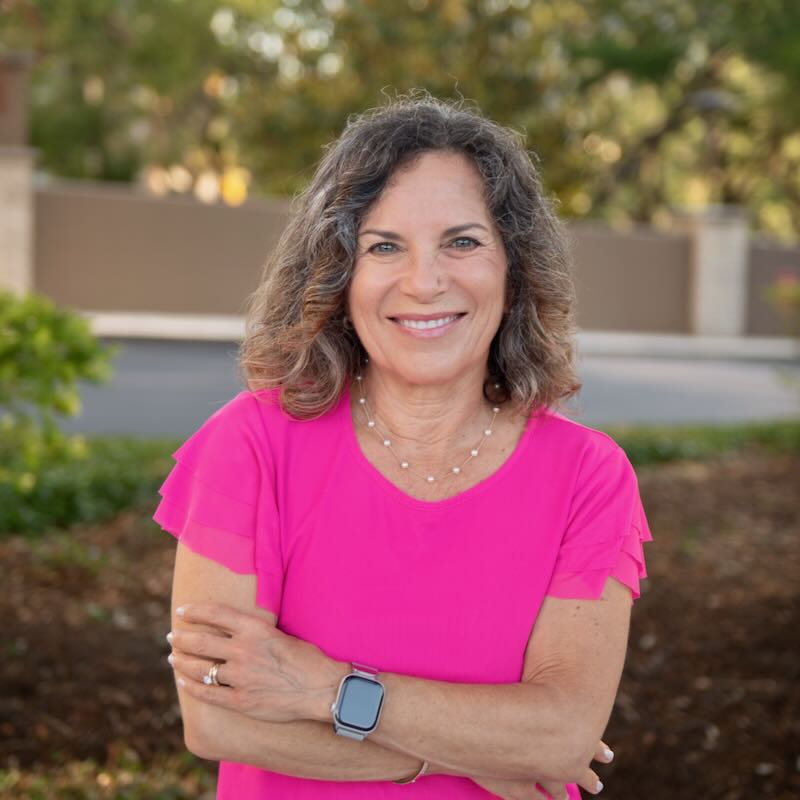
About Dvora Citron
I'm a Registered Nurse with 40+ years of experience, a National Board Certified Health and Wellness Coach, and the founder of slant2plants®, a plant-forward approach to vibrant living, healthy aging, and feeling fully alive in your 60s and beyond.
I write, teach, and coach women over 50 who are ready to nourish their bodies, reclaim their energy, and step into the most confident chapter of their lives.
🎙️ Listen to the Sexy in Your 60s™ podcast: interviews with women and experts on healthy aging, longevity, and what it truly means to feel grounded, confident, and at home in your life after 50.
📅 Ready to go deeper? Book a free Health Coaching Discovery Call
