
Do You Really Have Friends? Midlife Friendship, Ricki Radosh (1 of 4)
Jul 28, 2026
A few days ago my six-year-old granddaughter, who has been staying with us for several weeks this summer, looked up at me and asked, “Savta, when will I start making friends?” She had recently left a place where she had her friends, and she was feeling the ache of starting over somewhere new. When you are small, friendship is easy to picture. It is who you play with at recess, who you have a playdate with. But her question is the very same one so many of us are quietly asking ourselves in our sixties. And the honest answer is that it does not happen by itself anymore.
That is the question I wanted to sit with for the next four short episodes of this season, all drawn from one rich conversation I had with Ricki Radosh, a writer, happiness coach, and the host of the Claim Your Happiness podcast. We start where my granddaughter started, with the most basic question of all. Do you really have the friends you think you do? And what did you ever decide friendship was supposed to look like in the first place?
The story Ricki carried for decades
Ricki did not come to this work because friendship was easy for her. She came to it because it was not.
“I grew up saying, I have no friends. I have no friends. I have no friends,” she told me. “I never had any friends. And my mom, she could never understand. You have so many people in your life, why don’t you think you have friends?”
The belief traced back to a very specific age. When Ricki was thirteen, the year her Jewish community began celebrating bar and bat mitzvahs, she was certain she had never been invited to any. And if you were not invited to the bar and bat mitzvahs, how could you possibly have friends? That was the math she did as a girl, and she carried the answer for years. Even as an adult who threw parties and filled her home with people, she would watch a few of those guests head out for coffee without her and feel the old verdict settle back in. She was disheartened. She simply did not believe the friendships were real.
The proof was on her own shelf
The story might have stayed that way if not for a course that asked her to write one page for every year of her life. Ricki happened to have an unusual resource for that assignment. Since the age of twelve she had kept scrapbooks, every year, all the way into adulthood. She can still open them and retell where she went and what she did.
So she pulled out the book from age twelve and started turning pages. Bar mitzvah. Bar mitzvah. Bar mitzvah. Page after page after page.
“I was like, what? I went to all those bar and bat mitzvahs?” she said. The belief and the evidence did not match, and for the first time she could see the gap clearly. “My belief was I had no friends, but the proof is I was going to bar mitzvahs. So what was the disconnect?”
The disconnect, she realized, was never about whether people were in her life. It was about a picture in her head of what friendship was supposed to look like, something closer to what she saw on television than to her actual living room full of people. She had been measuring real relationships against an image, and the image kept winning.
Name it, frame it, claim it
That moment on the floor with her scrapbooks became the seed of the method Ricki now teaches, which she calls Name It, Frame It, Claim It.
Naming it is what she did when she stopped and said out loud that her belief and her evidence were in conflict. Framing it is the next question: if I do have people, then what is actually missing, and what do I want this to look like? And claiming it is the part most of us skip. It is the small, specific action that turns a realization into a life.
For Ricki, the first action was almost embarrassingly simple. “I called the first person that came into my head, and I said, hey, do you want to go for lunch? And they said yes. And I was on my way.”
I want to name what that took, because it is easy to breeze past. Reaching out first can feel exposing, especially when a lifetime of self-talk has told you the friendships are not really there. The research on this is oddly comforting. People tend to like us more than we assume they do, and they are far more likely to welcome the call than to be bothered by it. The story in our heads says we are imposing. The evidence usually says the opposite. Connection is also not a soft extra at this stage of life. It is one of the strongest predictors of how we age, in our bodies as much as our moods.
The one line I keep turning over
Near the end of this first part of our conversation, Ricki said something I have not been able to put down.
“You walk around with one story in your head. And if that’s not the story you want to have, change the story.”
I have been sitting with that since we talked, because it cuts two ways, and both of them are true. Maybe you think you do not have friends, and the honest truth is that you do. You simply have not been counting them. Or maybe you think you do not have friends, and the honest answer is that you would like more. You can change the story either way. You can change it by shifting your perspective and finally seeing the people already there. Or you can change it by taking one small action, the way Ricki did with a single lunch invitation, and the way my granddaughter did at family camp when she found a little girl named Leah she now talks about all the time.
That is where I will leave you for part one. Here is your question for the week. What is the story you have been telling yourself about friendships, and is it the one you want to keep?
More from Ricki, and the next three parts of this mini-series, are on the way. If this landed for you, the rest of the conversation goes deeper into reaching back to people from your past, building a whole new circle from scratch, and figuring out who your person really is when life gets hard.
Listen to the Full Episode
Episode 36: Do You Really Have Friends? Midlife Friendship with Ricki Radosh (Part 1 of 4)
🎧 Podcast Page
🍎 Apple Podcasts
🟢 Spotify
🎵 Amazon Music
▶️ Watch on YouTube
Connect with Ricki Radosh
Ricki’s website (her hub for Substack and daily videos)
Claim Your Happiness podcast (YouTube)
Instagram @ricki_radosh
The Grass Grows Where I Am (anthology)
As an Amazon Associate, I may earn a small commission from this link, at no additional cost to you.
Keep Reading
- Reaching Back: What Happened When Ricki Radosh Found the Friends She Thought She'd Lost
- Building New Friendships From Scratch: What It Really Takes to Start Over
- Who’s Your Person? The One Who Shows Up When Life Gets Hard, with Ricki Radosh (Part 4 of 4)
New here? Start with the free Sexy in Your 60s™ Starter Guide.
About Dvora Citron
Dvora Citron is a Registered Nurse, National Board Certified Health & Wellness Coach, Lifestyle Medicine Practitioner, and the founder of slant2plants®. She hosts Sexy in Your 60s to bring women the real ingredients of vibrant aging through science, story, support, and soul. Her work helps women 50 and older create the health, confidence, and longevity they want in ways that feel realistic and sustainable.
slant2plants.com
Blog
Instagram @slant2plants
Facebook
LinkedIn
Pinterest
Ready to Feel Sexy, Confident, and Vibrant in Your 60s and Beyond?
Doors to the Sexy in Your 60s Coaching Experience open only a few times a year. Get on the waiting list to be first to know when the next cohort opens.
Which One Are You Avoiding?
Strength, fiber, sleep, alcohol. These are the four foundations that matter most after 50, and most women are solid on three.
The 5-Minute Reality Check is a free live workshop. You'll get an honest score across all four, find your blind spot, and leave with a seven-day move you can actually follow, plus a minimum version for the weeks that fall apart.
Live on Zoom. No replay.
Author
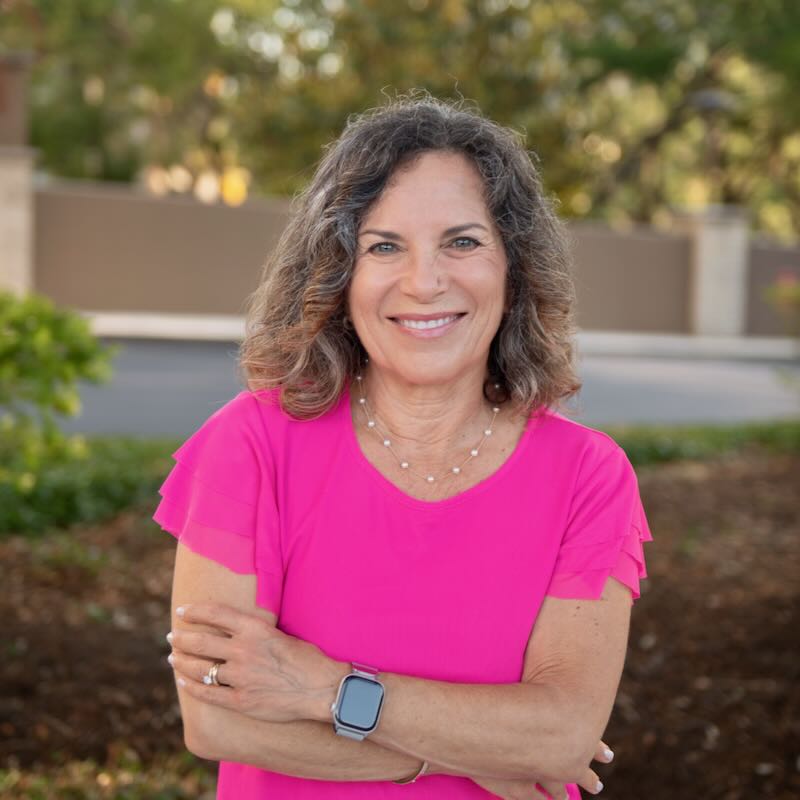
About Dvora Citron
I'm a Registered Nurse with 40+ years of experience, a National Board Certified Health and Wellness Coach, and the founder of slant2plants®, a plant-forward approach to vibrant living, healthy aging, and feeling fully alive in your 60s and beyond.
I write, teach, and coach women over 50 who are ready to nourish their bodies, reclaim their energy, and step into the most confident chapter of their lives.
🎙️ Listen to the Sexy in Your 60s™ podcast: interviews with women and experts on healthy aging, longevity, and what it truly means to feel grounded, confident, and at home in your life after 50.
📅 Ready to go deeper? Book a free Health Coaching Discovery Call
