
Walking Into What’s Next: Why Walking Matters More Than Ever as We Age
Jan 12, 2026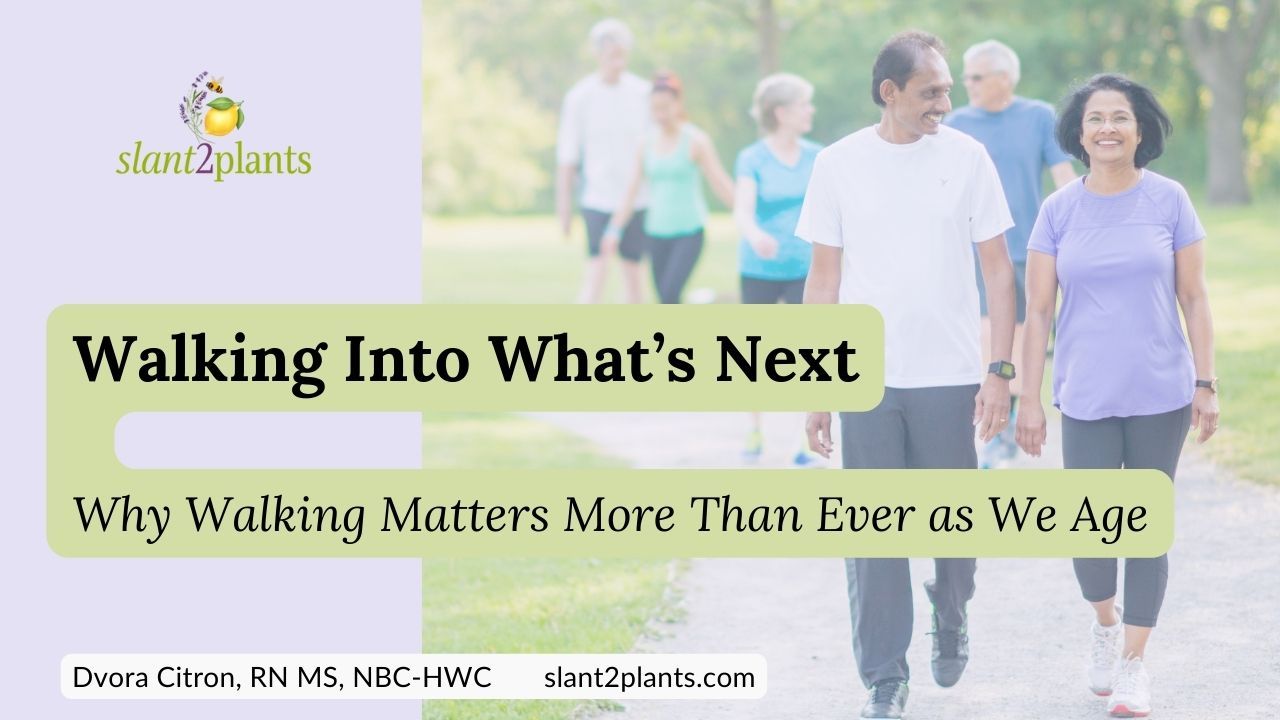
Walking is one of the most underestimated health practices we have — especially as we move into our 50s, 60s, and beyond.
It doesn’t require special equipment.
It doesn’t demand intensity.
And yet, the science is clear: walking supports brain health, emotional regulation, mobility, and longevity — while also offering something harder to quantify but deeply felt — a sense of forward motion in life itself.
Walking and the Aging Brain: What the Science Shows
One of the most compelling findings in aging research is the relationship between walking and brain health.
Studies have shown that regular walking — even 30–40 minutes, three times a week — is associated with growth in the hippocampus, the area of the brain responsible for memory and learning. This matters because the hippocampus tends to shrink with age and is one of the first regions affected in cognitive decline.
Other large population studies have found that as few as 4,000–5,000 steps per day are associated with a significantly lower risk of dementia, along with improvements in cardiovascular health, balance, and mood.
This isn’t about hitting extreme fitness goals.
It’s about consistency over intensity — a theme I return to often in my work.
Walking as Nervous System Regulation
Beyond the brain, walking plays a powerful role in emotional regulation.
Rhythmic movement helps calm the nervous system, reduce stress hormones, and support emotional resilience. Many people notice that when they walk, their thinking clears, their breathing deepens, and difficult emotions soften.
Walking can function as what some researchers call “active meditation.”
You don’t have to sit still to access calm.
For many women — especially those who find traditional meditation challenging — walking becomes a gateway to presence.
Walking Isn’t Just Exercise — It’s Identity Work
Here’s where walking becomes something more.
As we age, many women are shedding roles they’ve held for decades:
caregiver, organizer, people-pleaser, professional identity, or family hub.
Walking — especially walking alone or intentionally — creates space to ask quieter questions:
- Who am I now?
- What do I want more of?
- What am I ready to release?
When we walk, we’re not rushing past ourselves.
We’re choosing to move forward — literally and metaphorically — one step at a time.
Walking With Others: Connection Without Pressure
Walking side-by-side also changes how we connect.
Conversations that feel strained face-to-face often flow more easily while walking. Parents notice this with teenagers. Partners feel it. Friends experience it too.
Movement reduces confrontation and invites honesty.
It allows connection without intensity.
Walking together becomes a way to be present — without having to “fix” anything.
Real-Life Reinvention, One Step at a Time
These themes came alive for me recently in a podcast conversation with Gail Perry, creator of Gail Perry Treks and the Walks of the World page-a-day calendar.
At 65, Gail didn’t set out to reinvent herself — she followed curiosity. That curiosity led to global trails, immersive travel, and eventually a new role as a hiking guide. Her story is a beautiful reminder that reinvention doesn’t have to be dramatic to be meaningful.
Sometimes, it begins with saying yes to a walk.
Walking as Connection: Why I Make Walking Dates
Much of the way I socialize now is through what I call walking dates.
It’s a form of “healthy multitasking” — moving my body, being outdoors (often in nature), and connecting with friends or loved ones at the same time. What makes it especially powerful is that it reflects shared values: caring for our health, staying active, and showing up consistently for ourselves and one another.
Walking together also creates gentle accountability (shoutout to my walking partners - IYKYK!). When someone is expecting you, you’re far more likely to show up — not out of obligation, but out of mutual commitment.
I’ve come to realize that one of the greatest assets of where I live is the sheer variety of walking options available to me. I can choose flat routes or hilly ones, shorter strolls or longer 3+ mile walks, depending on what my body needs that day.
While I appreciate the stimulation of urban walking — and count Manhattan and Paris among my favorite cities to walk — I personally feel most restored when my walks include some element of nature. Trees, trails, changing light, and open space invite a different kind of presence.
Walking this way isn’t about training. It’s about living — and letting movement support connection, consistency, and well-being as we age
Walking as a Travel Practice
Walking is also something I intentionally build into my travels.
When I plan a trip, I research walks and hikes the same way I research restaurants, museums, or neighborhoods. It’s not about keeping a rigid routine — it’s about staying connected to my body and experiencing a place more fully.
Some of my favorite walks have been urban ones — wandering Manhattan or Paris, clocking miles without trying, letting the rhythm of the city carry me. But when possible, I seek out walks that include nature: coastal paths, trails, parks, or longer routes that allow me to walk three miles or more.
This approach keeps movement consistent even when life changes. Walking becomes the throughline — whether I’m at home, visiting family, or exploring somewhere new.
It’s one of the simplest ways I’ve found to support physical health, mental clarity, and a sense of groundedness as I age.
How to Start (or Start Again)
If walking hasn’t been part of your routine lately, start small:
- Walk around the block
- Walk with a friend
- Walk in nature when possible
- Walk without tracking, or with tracking — both are valid
- Walk for joy, not performance
If something hurts, listen. Proper shoes, posture, and even a session with a physical therapist or trainer can make walking more comfortable and sustainable.
The goal isn’t perfection.
It’s permission.
Walking Into What’s Next
Walking reminds us of something essential:
You are still going places.
Your body is capable.
Your curiosity matters.
And your next chapter doesn’t require a grand plan — just a willingness to begin.
🎧 Listen to the full conversation with Gail Perry on the Sexy in Your 60s podcast:
Walking Into What’s Next: Movement, Meaning & Reinvention After 60
or watch the YouTube Episode #8.
The information shared here is meant for education and inspiration, not medical advice. If you have health concerns or conditions, please talk with your healthcare provider before making changes to your movement or wellness routine.
As an Amazon Associate, I earn from qualifying purchases.
Which One Are You Avoiding?
Strength, fiber, sleep, alcohol. These are the four foundations that matter most after 50, and most women are solid on three.
The 5-Minute Reality Check is a free live workshop. You'll get an honest score across all four, find your blind spot, and leave with a seven-day move you can actually follow, plus a minimum version for the weeks that fall apart.
Live on Zoom. No replay.
Author
About Dvora Citron
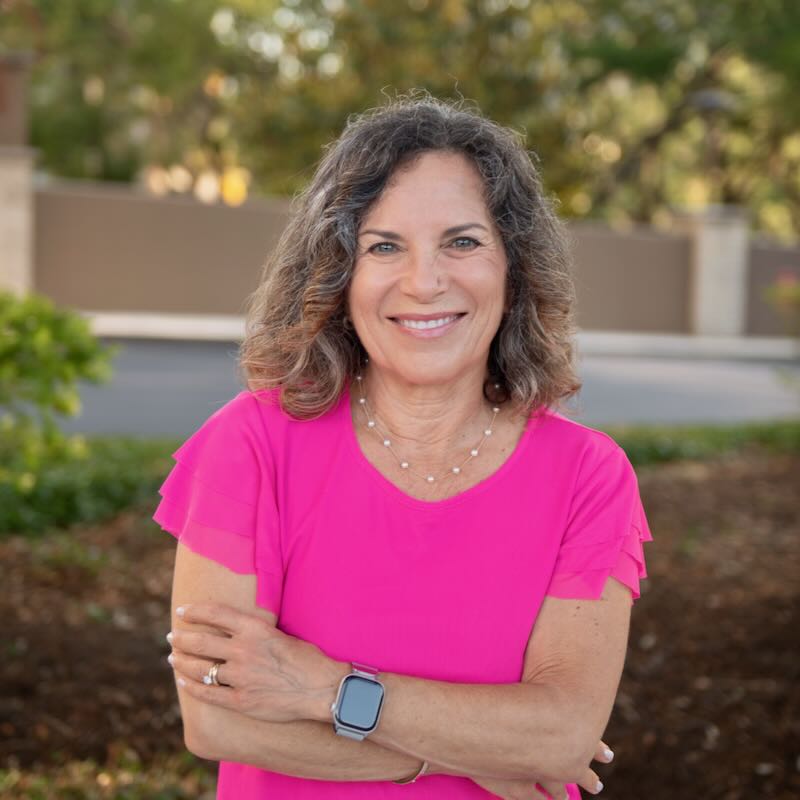
I'm a Registered Nurse with 40+ years of experience, a National Board Certified Health and Wellness Coach, and the founder of slant2plants®, a plant-forward approach to vibrant living, healthy aging, and feeling fully alive in your 60s and beyond.
I write, teach, and coach women over 50 who are ready to nourish their bodies, reclaim their energy, and step into the most confident chapter of their lives.
🎙️ Listen to the Sexy in Your 60s™ podcast: interviews with women and experts on healthy aging, longevity, and what it truly means to feel grounded, confident, and at home in your life after 50.
📅 Ready to go deeper? Book a free Health Coaching Discovery Call
