
The Menopause Monologues: Bringing Menopause Into the Spotlight
Mar 03, 2026
When women refuse to whisper, culture shifts.
Menopause is universal.
The silence around it has been cultural.
Most of us were not raised with language for perimenopause or menopause. We might have heard a joke about hot flashes. We might have watched a mother or aunt “get through it” without much explanation. We might have gotten the message that it is private, messy, and best handled quietly. If you are lucky, you find a friend who tells the truth. If you are unlucky, you find Google at 2 a.m. while you are wide awake for no clear reason.
That gap is not biology. It is culture.
The Menopause Monologues brings menopause out of the darkness and into the spotlight, one real life story at a time. I saw the production when it debuted and again at a pop up performance, and then I had the chance to interview the creators: Lulu Braunstein, Carrie Vanhouten, and Lisa Anne Morrison.
Here is what I want you to know if you have not seen it.
This is not just a play. It is not a lecture. It is not a panel.
It is women telling the stories our mothers and grandmothers often could not tell. Publicly. Embodied. Without apology.
And yes, it includes a pink vagina puppet.
They Do Not Just Talk About Menopause
If you have ever said, “I just want someone to tell me what is normal,” this production is going to land.
They do not just speak in this show. They act. They paint. They dance. They sing. They cry. They rage. Sometimes all in the same night. The performance is built from community written stories, and it keeps a wide range of tone. Funny. Tender. Unhinged. Heartbreaking. Glorious.
That range matters because menopause is not one thing. Perimenopause is not one thing. Surgical menopause is not one thing. Medically induced menopause is not one thing. And culturally, we have made it worse by acting like it is either a punchline or a personal failure.
This production treats it like what it is. A major transition. A real threshold. A full body experience.
Why Live Theater Hits Differently Than Information
I love good medical information. I also love a well done podcast. I have spent forty years in nursing, and education is in my bones.
But here is what theater does that medicine and podcasts cannot do in the same way.
It creates witness.
A room full of people breathing the same truth at the same time changes the nervous system. You feel less alone. You stop questioning whether you are “being dramatic.” You see your own experience reflected back at you, sometimes by a stranger. Sometimes by a woman old enough to be your mother. Sometimes by someone younger than you. Sometimes by someone who is still in the thick of it and is furious.
The creators told me one of their favorite moments is hearing women in the audience whisper, “That is me.” Not as a performance note. As a relief.
There is something deeply regulating about realizing it is not just you.
This is Built on Three Pillars
The Menopause Monologues describes itself as a theatrical movement built on three pillars: Listening, Sharing, Serving.
Listening is not passive here. They hold workshops in the communities where they perform, and those workshops are not just for theater people. They are for writers and non writers alike. They welcome cis women, trans people, and non binary people who are experiencing or have experienced menopause, including unconventional menopause from surgery, treatment, or medical conditions.
Sharing means the stories do not come from a single point of view. The show is designed to reflect real people and local culture. Northern California is not Los Angeles. Los Angeles is not New York. Each version evolves because the community evolves it.
Serving is the part I wish more health content included.
After every performance, they bring in a menopause trained clinician for live Q and A.
That is not decorative. It is service.
As a Nurse, This Part Matters to Me
One of the things that came up in our conversation was how often women are not offered basic menopause education, even inside medical systems. Many people still have to self diagnose. Many are sent for tests and biopsies and referrals while the obvious question is never asked. Could this be perimenopause? Could this be hormones? Could this be menopause?
And if you do ask? It can still be hard to get informed care.
The post show Q and A is their way of doing what our systems often do not. Making informed support visible, accessible, and normal. It is also a way of giving women language they can bring back to their own clinicians. That is a big deal. Doctors can be intimidating. Even for nurses. Especially when you are exhausted, anxious, and not sleeping.
The show does not just validate. It helps resource.
Humor, Rage and the Permission to be Real
There is a lot of laughter in this production. And it is not there to “lighten things up” in a superficial way.
Humor is a tool.
Humor is how many of us metabolize the ridiculousness of what our bodies are doing. Humor is also how we can say the unsayable without shutting down. In our interview, we talked about how laughter relaxes the body, how it opens the mouth and changes breath, and how that matters when the subject is heavy.
Also, there is rage. Real rage. The kind that many women were trained to swallow. The kind that shows up in perimenopause and surprises you, and then makes you wonder if you are losing your mind.
Seeing that on stage, in community, is a form of permission.
Permission is one of the quiet themes of this entire movement. Permission to speak. Permission to ask questions. Permission to say, I am not okay. Permission to say, I am better than okay and I am done performing.
Menopause Care is also a Cultural Issue
The production is provocative, but not just because it is explicit.
It is provocative because it confronts what has been normalized for too long. Medical silence. Ageism. Gendered shame. The expectation that women should disappear as they age. The assumption that sexuality ends, or should end. The lack of training in medical education. The lack of access even for people with insurance.
That is why “When women refuse to whisper, culture shifts” feels true.
Because menopause is not only a personal experience. It is a social experience. It is a workplace issue. It is a healthcare equity issue. It is a family systems issue. It is an identity issue.
And honestly, it is an economic issue too. Midlife women hold a huge amount of wisdom, skill, caregiving, and leadership. When we treat their health as an afterthought, we all pay the price.
The Question I Always Ask
At the end of the episode, I ask every guest one final question.
What does sexy mean to you right now?
Due to a technical glitch at the end of our recording, the final segment of our live conversation was lost. I reached back out to each of the creators, and they graciously recorded their own answers. You will hear those individual reflections at the close of the episode, and I am grateful for their generosity.
Their responses were not about youth. They were not about perfection. They were not about trying to be palatable.
They were about freedom. Humor. Self acceptance. Not judging themselves. Loosening the grip of the male gaze. Appreciating their bodies as miraculous. Stretch marks as proof of life. Wrinkles as proof of surprise, smiling, and time well spent.
To me, that is the point. This stage of life can bring a new kind of presence. A new kind of honesty. A new kind of self trust.
Menopause is an Inflection Point
It is an inflection point.
A recalibration. A reorientation. A moment when many women begin asking how they actually want to feel, rather than how they are expected to appear.
The Menopause Monologues creates space for that conversation in public. In community. In the spotlight.
And when women refuse to whisper about menopause, perimenopause, sexuality, aging, and identity, culture shifts.
Listen and Connect
Listen to the full episode here:
Listen on slant2plants.com
Watch on YouTube:
Sexy in Your 60s Podcast Episode #15
Learn more about The Menopause Monologues:
https://www.themenopausemonologues.org/
Instagram: https://www.instagram.com/the.menopausemonologues/
About the Creators
Lulu Braunstein, Producer and Co Founder
Raised in a theatrical family in the UK, Lulu has spent much of her life immersed in performance and production. After years producing live televised events in London and directing elementary school musicals in Northern California, she co founded The Menopause Monologues to bring empathy, language, and community to a life stage too often misunderstood.
Carrie Vanhouten, Creator and Co Founder
Carrie is a theater trained creative, lifelong feminist, and Reiki master who blends performance, activism, and healing in her work. Through The Menopause Monologues, she uses storytelling as a tool for cultural change and women’s advocacy.
Lisa Anne Morrison, Director and Co Founder
With over 25 years of professional theater experience across stage and television, Lisa directs work at the intersection of art and activism. Her leadership in The Menopause Monologues centers on amplifying women’s voices and building community through live performance.
Content note: This episode includes adult language and candid discussions about sexuality and the body.
This content is for educational and informational purposes only and is not a substitute for individualized medical advice. Please consult your healthcare provider regarding your specific situation.
Connect with Dvora
🎧 Listen to the podcast: Apple Podcast
🌿 Website: slant2plants.com
📩 Join the newsletter HERE
Which One Are You Avoiding?
Strength, fiber, sleep, alcohol. These are the four foundations that matter most after 50, and most women are solid on three.
The 5-Minute Reality Check is a free live workshop. You'll get an honest score across all four, find your blind spot, and leave with a seven-day move you can actually follow, plus a minimum version for the weeks that fall apart.
Live on Zoom. No replay.
Author
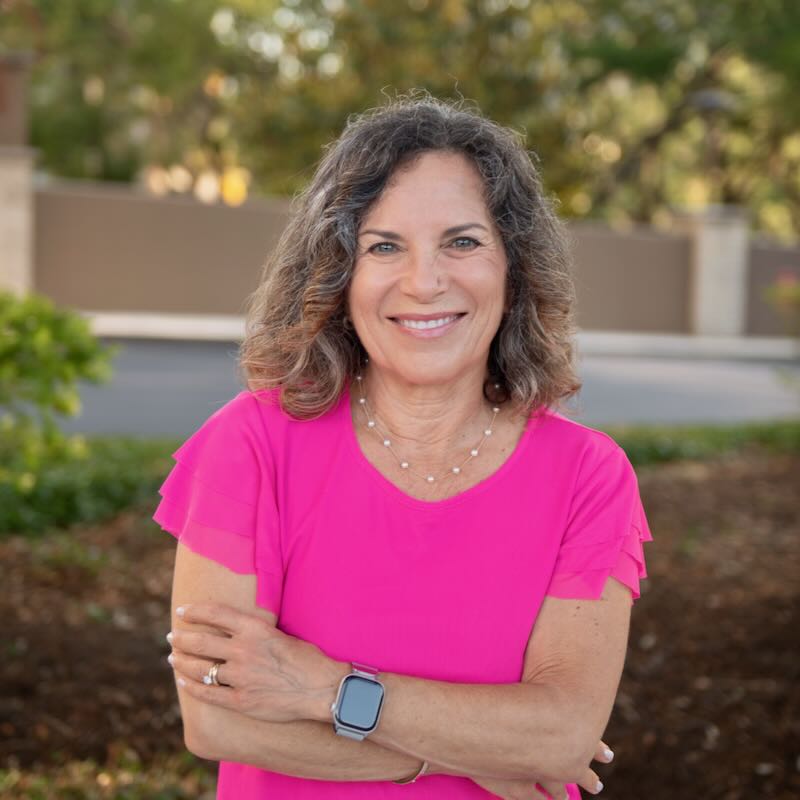
About Dvora Citron
I'm a Registered Nurse with 40+ years of experience, a National Board Certified Health and Wellness Coach, and the founder of slant2plants®, a plant-forward approach to vibrant living, healthy aging, and feeling fully alive in your 60s and beyond.
I write, teach, and coach women over 50 who are ready to nourish their bodies, reclaim their energy, and step into the most confident chapter of their lives.
🎙️ Listen to the Sexy in Your 60s™ podcast: interviews with women and experts on healthy aging, longevity, and what it truly means to feel grounded, confident, and at home in your life after 50.
📅 Ready to go deeper? Book a free Health Coaching Discovery Call
