
Menopause, Intuitive Eating & Rebuilding Trust with the Body
Jan 20, 2026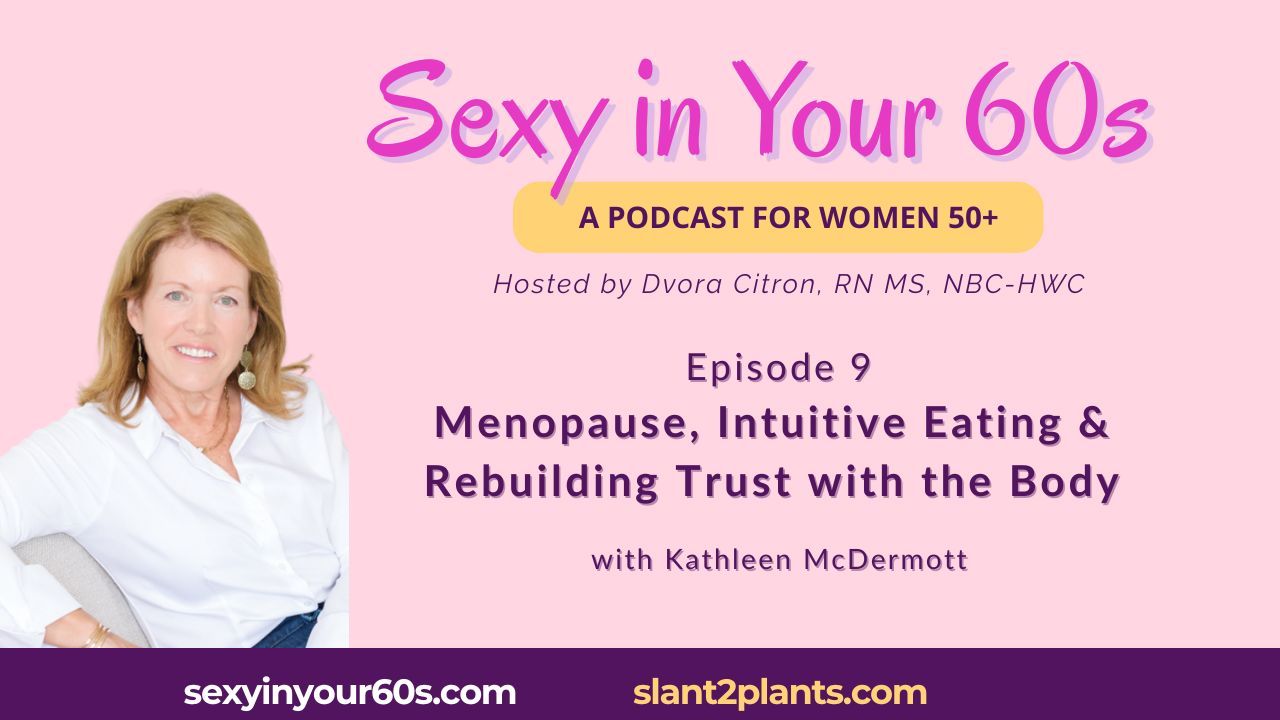
What This Midlife Conversation Revealed
For so many women, midlife arrives with a quiet question they don’t always say out loud:
Why does my body suddenly feel unfamiliar — even when I’m doing all the “right” things?
In a recent episode of my podcast Sexy in Your 60s, I sat down with Kathleen McDermott, RN — a menopause coach, intuitive eating counselor, and fellow nurse — to talk honestly about what’s really happening in the female body during perimenopause and menopause.
What emerged was a conversation grounded in science, lived experience, and compassion — and one I believe many women need to hear.
When “Knowing What to Do” Isn’t Enough
Kathleen has been a nurse for over 25 years. Yet even with her medical background, she described menopause as confusing, under-explained, and isolating.
And she’s not alone.
Most women — and most healthcare providers — received little to no formal education about menopause. As Kathleen shared, menopause was often framed as an inevitable phase marked by hot flashes and irritability, rather than a major hormonal transition that affects nearly every system in the body.
The reality?
Women may spend half of their lives post-menopause, navigating shifts that impact:
- Metabolism and fat distribution
- Bone density and muscle mass
- Cardiovascular risk
- Blood sugar regulation
- Mood, sleep, and stress tolerance
Understanding this context matters — because without it, women often blame themselves.
Why Dieting Backfires in Midlife
One of the most important themes we explored was why traditional dieting and restriction stop working during midlife.
As estrogen declines, the body becomes more sensitive to stress hormones like cortisol. Research shows that calorie restriction can actually:
- Increase fatigue
- Disrupt sleep
- Worsen cravings
- Promote abdominal fat storage
In other words, doing more to control food often leads to less regulation — both physically and emotionally.
Kathleen put it beautifully: the rules change, and the approach has to change too.
Intuitive Eating: Not a Free-For-All, but a Framework
Intuitive eating is often misunderstood as “eating whatever you want,” but that’s not what Kathleen practices — or teaches.
Instead, intuitive eating is about:
- Rebuilding awareness of hunger and fullness
- Making peace with food instead of battling it
- Nourishing the body in ways that support energy, mood, and blood sugar
- Letting go of rigid rules that create stress and food noise
Kathleen shared a powerful image: watching young children eat before diet culture interferes. They naturally stop when they’re full. They don’t moralize food. That innate wisdom is still within us — but it often needs gentle re-learning, especially after years of restriction.
The Role of the Nervous System
Another critical insight from our conversation: you can’t practice self-awareness when you’re exhausted and dysregulated.
Stress, poor sleep, skipped meals, and emotional overload all interfere with the body’s ability to self-regulate. That’s why Kathleen emphasizes:
- Eating enough — especially protein and fiber
- Balancing blood sugar early in the day
- Slowing down enough to notice how you actually feel
- Adding supportive habits rather than taking things away
This approach builds self-efficacy, not deprivation — and that’s where lasting change begins.
Thriving After Menopause: Beyond Symptom Management
When I asked Kathleen what thriving looks like after menopause, her answer was refreshingly grounded.
Thriving isn’t about reversing aging or chasing a former version of yourself.
It’s about:
- Listening more closely
- Learning from what no longer works
- Letting go of guilt and regret
- Modeling self-care for the next generation
- Staying curious, engaged, and connected
For Kathleen, thriving includes learning, movement, being outdoors, family, and meaningful work — not perfection.
Redefining “Sexy” in This Chapter
At the end of every guest conversation on Sexy in Your 60s, I ask the same question:
What does sexy mean to you now?
Kathleen’s answer was simple and powerful:
feeling confident, staying active, and feeling good in her body.
That’s the heart of this work.
Sexy isn’t about shrinking, striving, or fixing.
It’s about trust, vitality, and living fully in the body you have today.
A Gentle Invitation for You
As you reflect on this conversation, I invite you to ask yourself:
Where might I soften — just a little — with my body, with food, or with myself in this season of life?
Because midlife isn’t a failure of willpower.
It’s a transition — and it deserves understanding, compassion, and support.
Listen to the Full Episode
Menopause, Intuitive Eating & Rebuilding Trust with the Body
Guest: Kathleen McDermott, RN
Available wherever you listen to podcasts
Connect with Kathleen
-
Website: https://womenandbalance.com
-
Instagram: @womenandbalance
-
Free discovery calls, workshops, and newsletter available through her site
Which One Are You Avoiding?
Strength, fiber, sleep, alcohol. These are the four foundations that matter most after 50, and most women are solid on three.
The 5-Minute Reality Check is a free live workshop. You'll get an honest score across all four, find your blind spot, and leave with a seven-day move you can actually follow, plus a minimum version for the weeks that fall apart.
Live on Zoom. No replay.
Author
About Dvora Citron
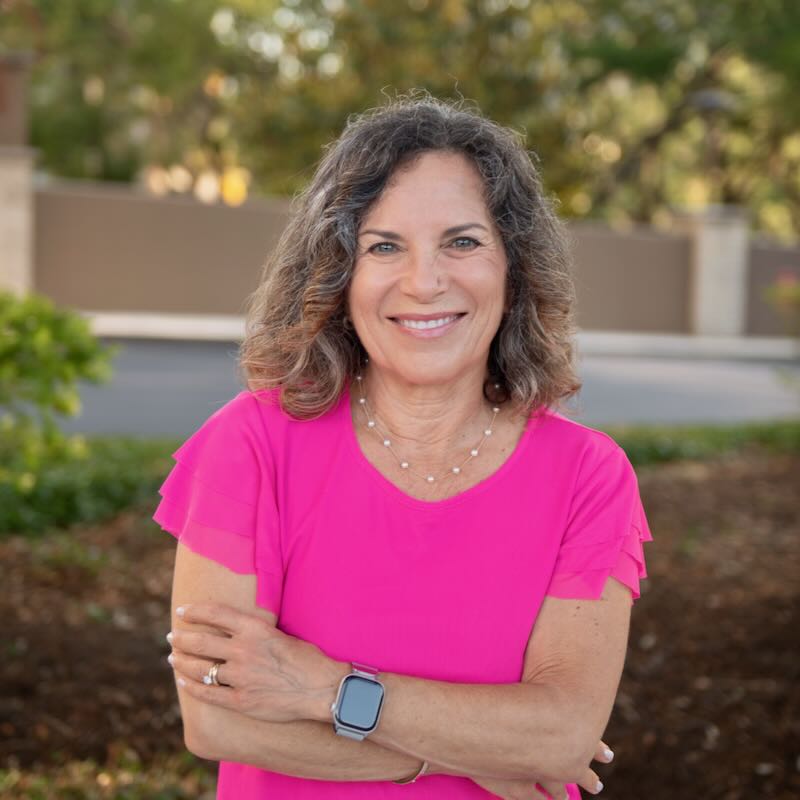
I'm a Registered Nurse with 40+ years of experience, a National Board Certified Health and Wellness Coach, and the founder of slant2plants®, a plant-forward approach to vibrant living, healthy aging, and feeling fully alive in your 60s and beyond.
I write, teach, and coach women over 50 who are ready to nourish their bodies, reclaim their energy, and step into the most confident chapter of their lives.
🎙️ Listen to the Sexy in Your 60s™ podcast: interviews with women and experts on healthy aging, longevity, and what it truly means to feel grounded, confident, and at home in your life after 50.
📅 Ready to go deeper? Book a free Health Coaching Discovery Call
