
Making Friends in Midlife: The Science, the Reality, and What Actually Works
Jun 09, 2026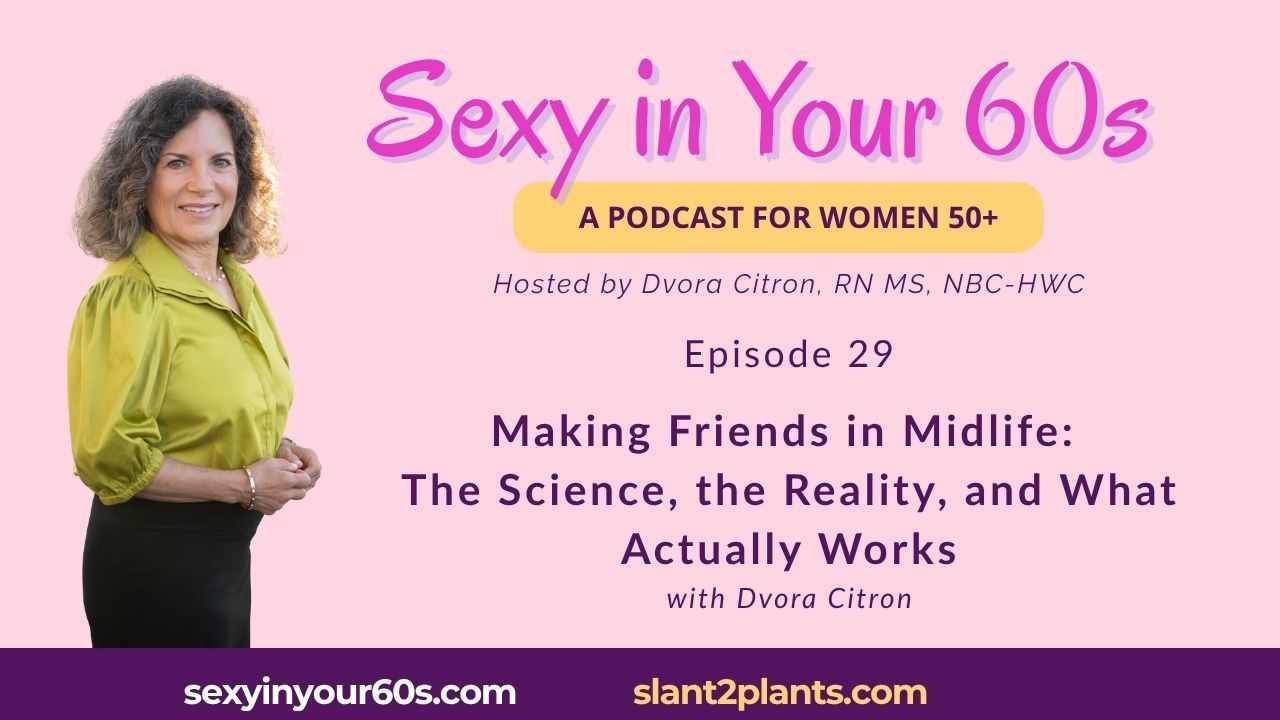
Here is something I want to push back on.
When women talk about the friendships they had when they were younger, they tend to describe them as slow burns. It took time, they say. You had to earn your way into closeness. The relationship deepened gradually.
I do not think that is actually what happened. I think those friendships built quickly, sometimes very quickly, because of something we were barely aware of: we were in the same physical spaces as the same people, day after day, whether we chose it or not. School. A first job. The years when your kids were small and you were all in the same waiting rooms, sidelines, and carpool lanes. You did not decide to build those friendships. You just kept showing up, and the closeness accumulated almost without your noticing.
The container did the work. You just had to be inside it.
That changes the diagnosis entirely. The reason making friends in midlife feels so hard is not that you have become less likable, less interesting, or less capable of intimacy. It is that the containers are gone. The invisible architecture that quietly generated connection for decades simply stopped. And most of us did not realize how much we had been relying on it until it was already gone.
This Is a Health Issue, Not a Social Nicety
I want to pause on the research here, because the numbers matter.
Dr. Julianne Holt-Lunstad has studied social connection and health across millions of people worldwide. Her finding: lacking social connection carries health risks comparable to smoking fifteen cigarettes a day. The US Surgeon General cited her work when he declared loneliness a public health crisis. Separately, the Midlife in the United States study, a decades-long project following thousands of people through this life stage, describes it as a genuine crossroads. The choices you make now about who surrounds you have measurable effects on everything that comes after.
Last year, Psychology Today published a piece called "The Midlife Friendship Gap: Why So Many Women in Their 40s and 50s Feel Lonelier Than They Expected at This Stage." Not a niche wellness publication. A mainstream one. The experience is documented, widespread, and directly tied to health outcomes.
Social connection is not a luxury. It is a health strategy. And it is one most women are not treating with anywhere near the seriousness it deserves.
What Women Are Actually Living
I asked the women in my online community to be honest with me: what challenges have you faced making friends in midlife, and what has actually worked?
The responses stopped me.
One woman wrote four words: "Have made no friends." Another: "Life is lonely." No context, no elaboration. Just the truth, finally said out loud. I think it resonated for so many because it names something that usually only gets thought, never spoken.
A woman who had moved to a new city with her husband found herself starting over at 53 when the marriage ended after the move. She is not sure she even remembers how to make friends anymore. The skill feels like a muscle that has atrophied. She may be right. Skills we do not practice do atrophy. But that is a very different problem than a character flaw. And different problems have different solutions.
Several women named the gap between acquaintances and real friends as the loneliest place of all. You can accumulate acquaintances fairly easily, especially if you are warm and engaged. Real friendship, the kind where someone actually knows what your life looks like right now, takes something more. And that gap is exactly where a lot of midlife loneliness quietly lives.
One observation that stayed with me: many of the women we would most want to befriend are already fully committed to their existing friendships. They simply do not have room for someone new. Recognizing that shifts the experience of not connecting from something personal to something circumstantial. It is not rejection. It is a full calendar. Those are genuinely different things.
What Actually Works
The responses that moved me most were not the ones describing the problem. They were the ones describing the way through.
And here is what struck me: almost every story that described thriving came back to the same mechanism. Three words from one woman have stayed with me: repeat consistent contact. Not chemistry. Not luck. Not some miraculous click. Just proximity, again and again, with some shared purpose or context.
One woman joined a rock choir during one of the hardest seasons of her life. She made what she now describes as the best friends she has ever had. Not because the choir was magical. Because she kept showing up. Week after week, same room, same people, working toward the same thing. And when she clicked with someone, she made the ask: "Hey, wanna grab coffee sometime?" Simple, low stakes, direct. That is the whole move.
Over and over the pattern was the same. Find something you genuinely love doing. Do it with other people. Keep showing up. Not just as a hobby, but as a container. Something that puts you in proximity with the same people repeatedly over time. Fitness classes, walk dates, book clubs, volunteer work, creative communities, civic groups. The activity matters less than the repetition.
One woman offered something that reframed the whole conversation for me. She said midlife friendships are different from the ones she had when she was younger. Not worse. Just different. When she released the expectation that a new friendship should feel like a thirty-year friendship, every encounter became lighter, less loaded, more possible. Adjust the expectation, she said. Not lower it. Adjust it. That is a meaningful distinction.
The Real Barrier
Here is what I think is actually getting in the way for most women, and it is not logistics. It is not schedule or geography or even the absence of a good container.
It is the discomfort of not knowing how it will go.
Reaching out to someone new is vulnerable. Suggesting coffee to an acquaintance is a small risk. What if she is not interested? What if the conversation is awkward? What if you have nothing in common?
The women who described the richest social lives in my community were not the ones who found it easy. They were the ones who walked into uncomfortable rooms and stayed. Who joined things knowing nobody. Who made the ask knowing it might not land. The discomfort was not a sign that something was wrong. It was a sign that something real might be on the other side.
I am in the middle of this myself. I was recently invited to join a local professional women's networking group, and built into how it functions is an expectation that members meet one-on-one. I do not know what to expect from those conversations. I do not know what overlap I will find or whether anything will grow from them. I am genuinely open, genuinely curious, and I think that is exactly the right posture.
Not performing enthusiasm. Not managing expectations down. Just: let's see what is here.
One Honest Question
I am not going to end this with a checklist. I want to offer something more useful: a single question worth sitting with.
Is the discomfort you feel around this actually pointing to something? Is there a connection you have been circling, a container you have been thinking about joining, a coffee you have not asked for yet?
Because based on everything the research says, and everything the women in my community keep showing me, the friendships that change your life at this stage of life are on the other side of a small, uncomfortable yes. Not a grand gesture. Just a yes.
The old containers are gone. The invisible architecture that generated connection without your trying is gone too. But the capacity for real, deep, surprising human connection is absolutely still available. At this stage of life, when you know yourself well enough to choose wisely and go deep quickly, it can become some of the most meaningful connection you have ever had.
You just have to be willing to be a little uncomfortable first.
Listen to the Full Episode
Episode 29: Making Friends in Midlife: The Science, the Reality, and What Actually Works
🎧 Podcast Page 🍎 Apple Podcasts 🟢 Spotify 🎵 Amazon Music ▶️ Watch on YouTube
Keep Reading
- Turning Acquaintances Into Real Friends in Midlife
- Do You Really Have Friends? Midlife Friendship, Ricki Radosh (1 of 4)
- Community Is Longevity Medicine
New here? Start with the free Sexy in Your 60s™ Starter Guide.
About Dvora Citron
Dvora Citron is a Registered Nurse, National Board Certified Health & Well-bei Coach, Lifestyle Medicine Practitioner, and the founder of slant2plants®. She hosts Sexy in Your 60s to bring women the real ingredients of vibrant aging through science, story, support, and soul. Her work helps women 50 and older create the health, confidence, and longevity they want in ways that feel realistic and sustainable.
slant2plants.com Blog Instagram @slant2plants LinkedIn Pinterest
Ready to Feel Sexy, Confident, and Vibrant in Your 60s and Beyond?
The next round of the Sexy in Your 60s Coaching Experience is coming soon. Join now and start your transformation today.
Sign up at slant2plants.com/sexy-in-your-60s
This content is for informational and entertainment purposes only. It does not constitute medical advice and is not a substitute for professional medical guidance. Reading this post does not create a patient-client relationship. Always consult your primary care provider or a qualified health professional before making changes to your health or lifestyle.
Which One Are You Avoiding?
Strength, fiber, sleep, alcohol. These are the four foundations that matter most after 50, and most women are solid on three.
The 5-Minute Reality Check is a free live workshop. You'll get an honest score across all four, find your blind spot, and leave with a seven-day move you can actually follow, plus a minimum version for the weeks that fall apart.
Live on Zoom. No replay.
Author
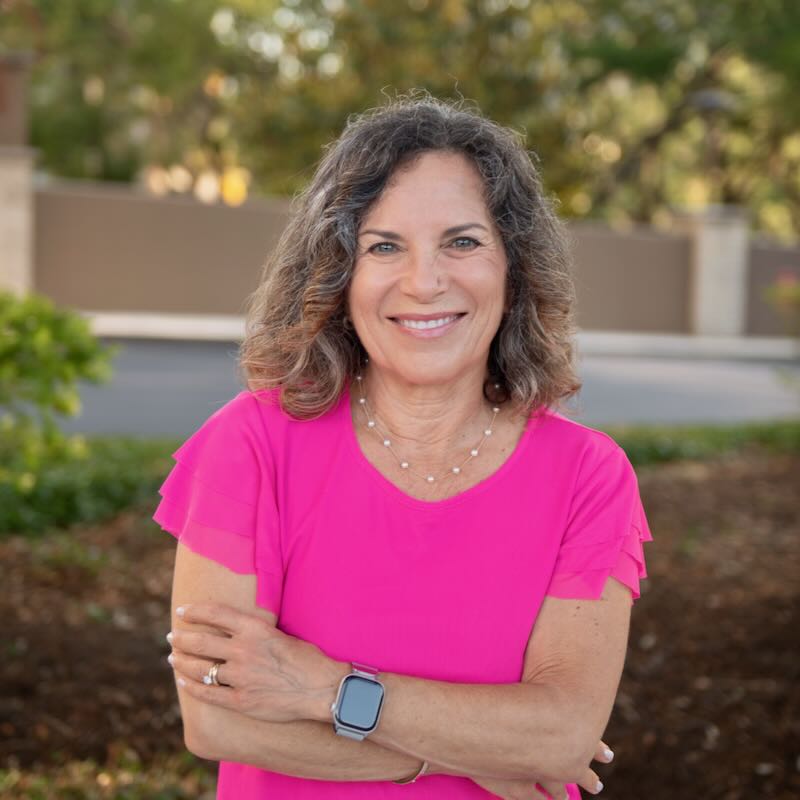
About Dvora Citron
I'm a Registered Nurse with 40+ years of experience, a National Board Certified Health and Wellness Coach, and the founder of slant2plants®, a plant-forward approach to vibrant living, healthy aging, and feeling fully alive in your 60s and beyond.
I write, teach, and coach women over 50 who are ready to nourish their bodies, reclaim their energy, and step into the most confident chapter of their lives.
🎙️ Listen to the Sexy in Your 60s™ podcast: interviews with women and experts on healthy aging, longevity, and what it truly means to feel grounded, confident, and at home in your life after 50.
📅 Ready to go deeper? Book a free Health Coaching Discovery Call
