
How Long Should Women See a Gynecologist? What Women 50+ Need to Know About Midlife Health
Mar 01, 2026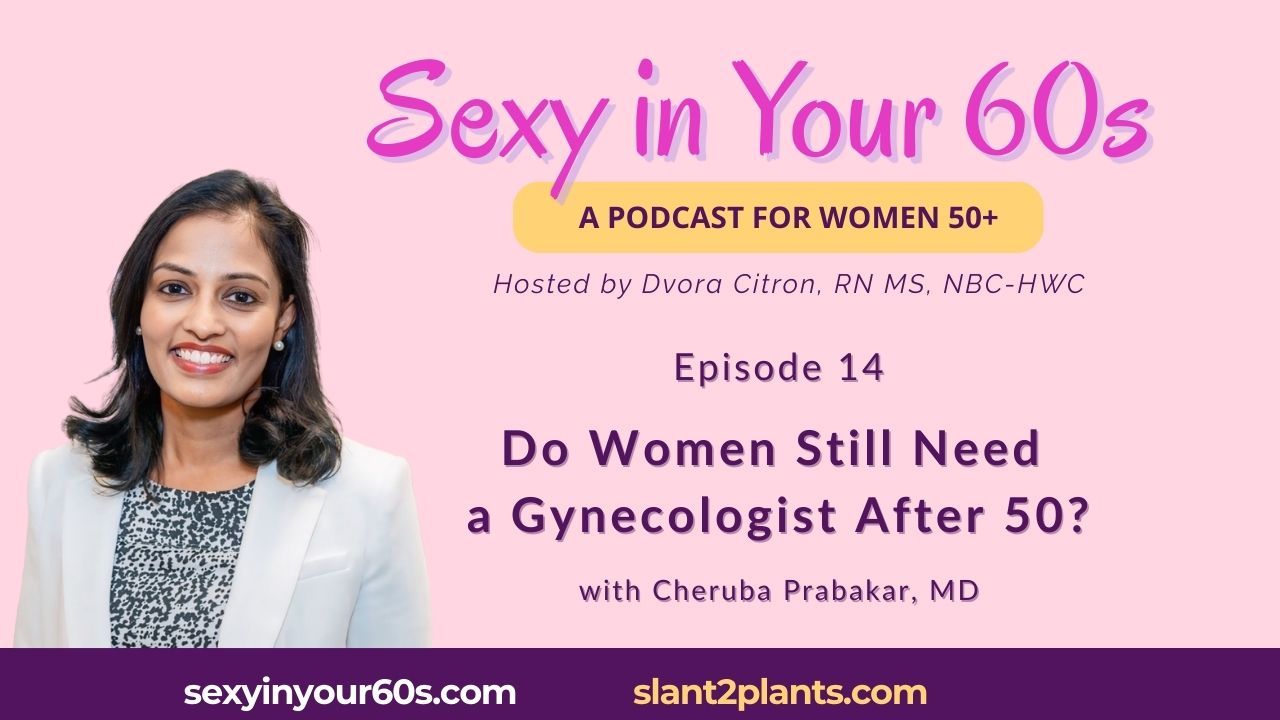
Midlife isn’t the end of gynecologic care. In many ways, it is where the real work begins.
In a recent episode of Sexy in Your 60s Podcast, I sat down with Cheruba Prabakar, board-certified OB-GYN and fellowship-trained minimally invasive surgeon, to talk about what women 50+ truly need when it comes to their health.
What emerged was a clear, grounded message that I think ALL women 50+ need to hear:
“The majority of the care we provide for women really starts at midlife and beyond.”
That statement reframes everything.
Do Women Over 50 Still Need a Gynecologist After Menopause?
This is a question I hear often: “Do I still need to see a gynecologist after menopause?”
Many women assume that once they are finished having children, or once Pap smears are spaced out or discontinued, their visits can taper off. But seeing a gynecologist after 50 is not just about cervical screening. It is about pelvic health, hormonal changes, bone preservation, urinary symptoms, sexual comfort, vulvar skin changes, and screening for conditions that become more relevant with age.
Pap smears may stop at 65 with a history of normal results. Pelvic health does not.
Primary care physicians play an essential role in managing blood pressure, cholesterol, and diabetes risk. But midlife health is layered, and gynecologic expertise remains part of that picture.
The Symptoms Women Quietly Normalize (But Shouldn't)
One of the most important themes in our conversation was this:
Women often accept changes as “just aging.”
“I leak a little — that’s normal.”
“Sex is uncomfortable now — we’re older.”
“I’m tired all the time — that’s midlife.”
Yes, aging brings physiologic change. But in my nursing career, I have seen what happens when women quietly normalize symptoms for years. Common does not mean inevitable, and normal does not mean untreatable.
Modern gynecologic care after 50 is not about fixing women. It is about preserving function, comfort, and quality of life for decades.
Menopause Care Is More Than a Prescription
Hormone therapy has re-entered the medical conversation with more nuance and clearer data. But thriving after 50 is rarely about a single intervention.
It is strength training to preserve bone density. It is cardiovascular awareness. It is plant-forward, whole-food nutrition. It is sleep quality and metabolic stability. It is maintaining friendships and social engagement. It is ongoing screening and anticipatory guidance.
This is what integrated midlife health looks like.
Why Direct Questions Matter
Research shows women rarely initiate conversations about low libido, painful intercourse, urinary leakage, or pelvic floor symptoms. I have seen this firsthand. When a physician asks directly and normalizes the discussion, the relief is often visible.
Being asked is not intrusive. It is thoughtful clinical care.
Women over 50 deserve physicians who are comfortable having these conversations and who understand that midlife health includes sexual and pelvic well-being.
What Thriving After 50 Really Means
At the end of the episode, I asked Dr. Prabakar what “sexy” means when she thinks about women in midlife at their healthiest. Her answer was not flashy. It was practical: no surprise diagnoses because risk factors were addressed early, the ability to exercise without pain or incontinence, restorative sleep, and strong social connection.
Not chasing youth. Not denial. Proactive aging supported by science.
After decades in nursing and now as a health and well-being coach, I would add this: vitality is rarely accidental. It is built, slowly and intentionally.
The Takeaway
If you are a woman over 50, continue annual gynecologic care unless your physician advises otherwise. Maintain routine screenings such as mammograms, colonoscopies, and bone density scans. Prioritize strength training. Eat in a way that supports metabolic health. Speak openly about sexual health. Expect thoughtful, unhurried care.
Midlife health is not about shrinking expectations. It is about protecting the decades ahead.
Listen to the audio podcast:
Sexy in Your 60s Podcast
Watch the full YouTube interview:
Sexy in Your 60s YouTube Podcast
You Don't Age Into Vitality. You Build It
Midlife isn’t the end of gynecologic care. As Dr. Prabakar said so clearly, in many ways, it’s where the real work begins.
The decades after 50 are not passive years. They are decision years. They are maintenance years. They are investment years. They are years that determine how you will feel at 65, 75, and beyond.
In my 40 years as a nurse, I’ve seen what happens when women quietly normalize symptoms. I’ve also seen what happens when they choose to engage early — when they ask better questions, strengthen their bodies, protect their bone density, address pelvic floor health, and take their metabolic risk seriously.
Information matters. But integration matters more.
That is exactly why I created Sexy in Your 60s™.
This is not a “quick fix” program. It’s a clinically grounded, coaching-led experience for women 50+ who want to feel strong, clear, steady, and at home in their bodies. We work through the pillars that truly support healthy aging — strength, metabolic health, pelvic health, sleep, mindset, and sustainable nutrition — in a structured, supportive cohort of six women.
Because thriving in midlife is not accidental. It’s built.
If you are ready to take a proactive, intentional approach to your next decades, you can learn more about the next Sexy in Your 60s™ cohort here:
Sexy in Your 60s Group Coaching Experience
Enrollment for the June 1st cohort is limited to six women per group to ensure depth, accountability, and personalized attention.
You don’t need to chase youth. You need to protect your vitality.
And that work starts now.
Which One Are You Avoiding?
Strength, fiber, sleep, alcohol. These are the four foundations that matter most after 50, and most women are solid on three.
The 5-Minute Reality Check is a free live workshop. You'll get an honest score across all four, find your blind spot, and leave with a seven-day move you can actually follow, plus a minimum version for the weeks that fall apart.
Live on Zoom. No replay.
Author
About Dvora Citron
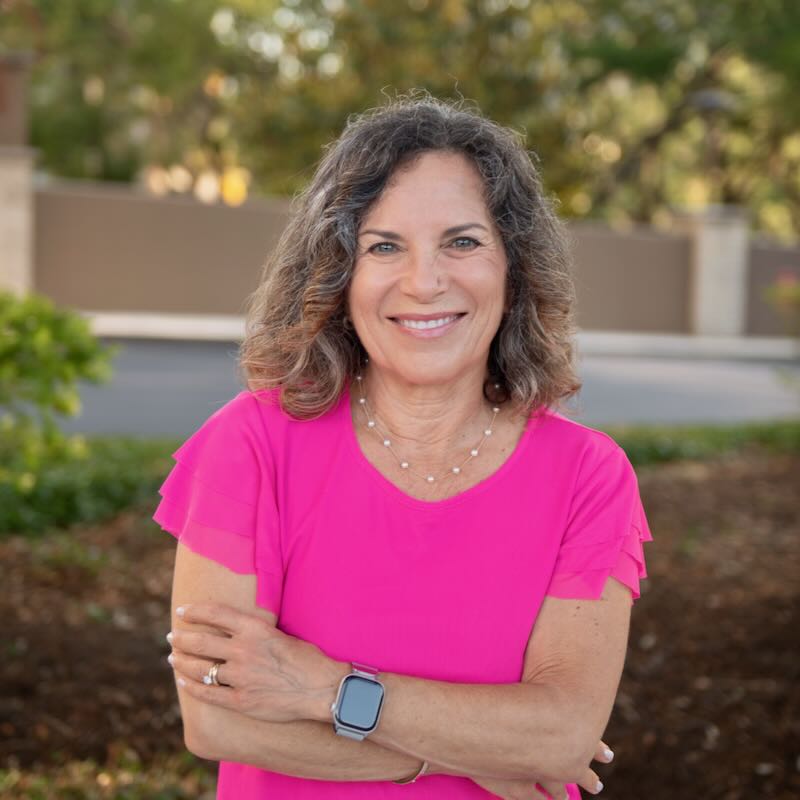
I'm a Registered Nurse with 40+ years of experience, a National Board Certified Health and Wellness Coach, and the founder of slant2plants®, a plant-forward approach to vibrant living, healthy aging, and feeling fully alive in your 60s and beyond.
I write, teach, and coach women over 50 who are ready to nourish their bodies, reclaim their energy, and step into the most confident chapter of their lives.
🎙️ Listen to the Sexy in Your 60s™ podcast: interviews with women and experts on healthy aging, longevity, and what it truly means to feel grounded, confident, and at home in your life after 50.
📅 Ready to go deeper? Book a free Health Coaching Discovery Call
